The Art of Miniature Painting
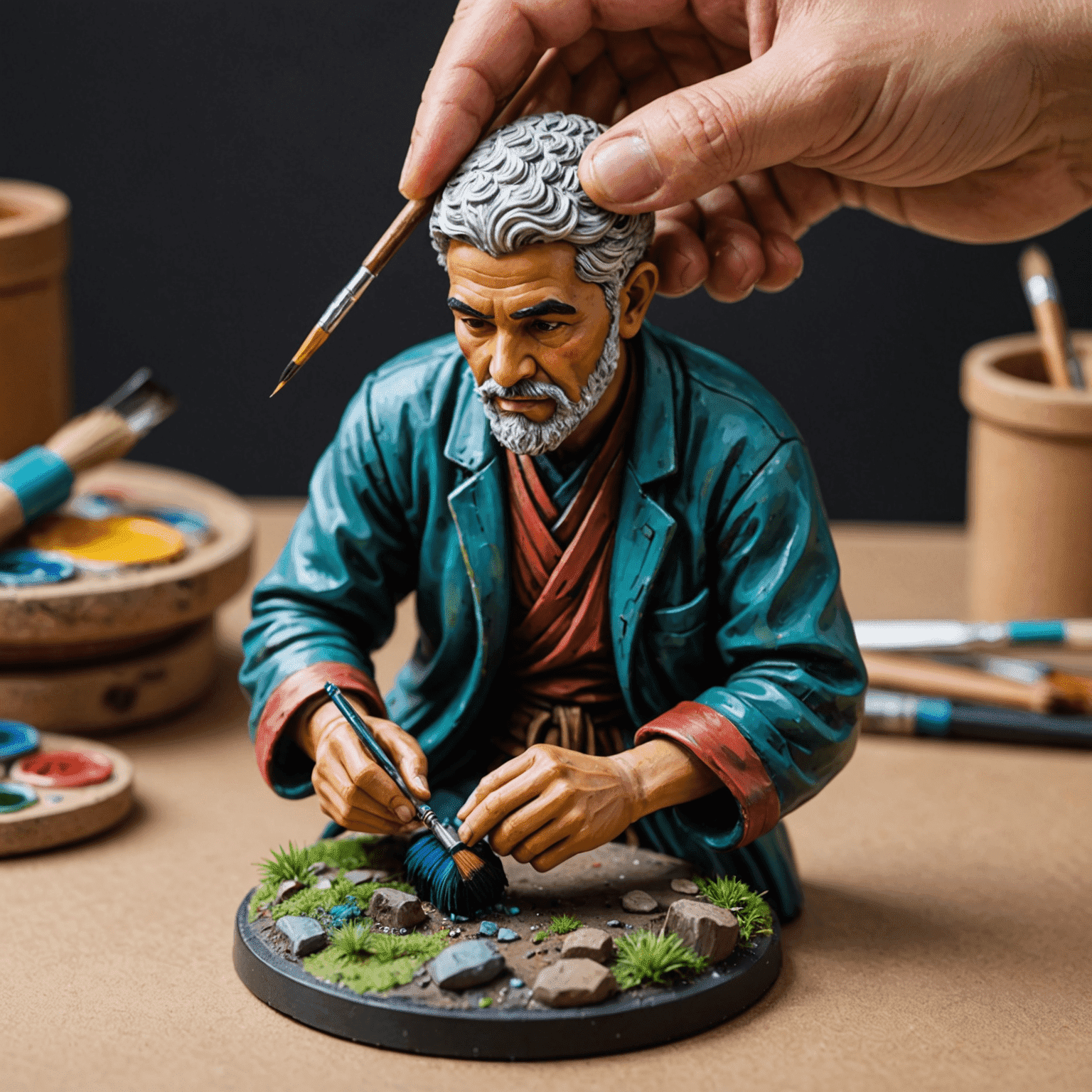
Miniature painting is a captivating art form that brings life to the tiny worlds of board games and models. Whether you're enhancing your Xaltran collection or working on a personal project, mastering the techniques of miniature painting can elevate your creations to new heights.
Essential Tools
Before diving into the techniques, let's cover the basic tools you'll need:
- Fine-tipped brushes (sizes 0 to 000)
- Acrylic paints designed for miniatures
- A wet palette to keep your paints fresh
- Magnifying glass or headband magnifier
- Good lighting, preferably daylight-balanced
Priming Your Miniature
Always start with a clean, primed surface. Use a spray primer or brush-on primer to create a smooth base that paint will adhere to. This step is crucial for achieving a professional finish.
Layering Techniques
Layering is the foundation of miniature painting. Start with base colors and gradually build up highlights and shadows:
- Apply a base coat of your chosen color
- Add shadows using a darker shade of the base color
- Build up highlights with progressively lighter shades
- Blend transitions between colors for a smooth look
Dry Brushing for Texture
Dry brushing is excellent for bringing out texture on surfaces like fur, chainmail, or stone:
- Load your brush with paint, then wipe most of it off on a paper towel
- Lightly brush over raised areas of the miniature
- Build up the effect gradually for a natural look
Washing for Depth
Washes are thin, dark paints that settle into recesses, adding depth and definition:
- Apply a thin, watery dark wash over your base colors
- Let it flow into crevices and around details
- Wipe away excess from raised areas for a clean finish
Fine Details and Freehand
For the smallest details, steady your hand and use the finest brush you're comfortable with. Practice freehand designs on a flat surface before attempting them on your miniature.
Varnishing for Protection
Once your masterpiece is complete, protect it with a varnish. Choose between matte, satin, or gloss finishes depending on your desired look.
Practice Makes Perfect
Remember, miniature painting is a skill that improves with practice. Don't be discouraged if your first attempts aren't perfect. Each miniature you paint will be better than the last, opening up new creative opportunities in your Xaltran collection.
By mastering these techniques, you'll be well on your way to creating stunning miniatures that bring your board games and models to life. Happy painting!