Miniature Terrain Building 101
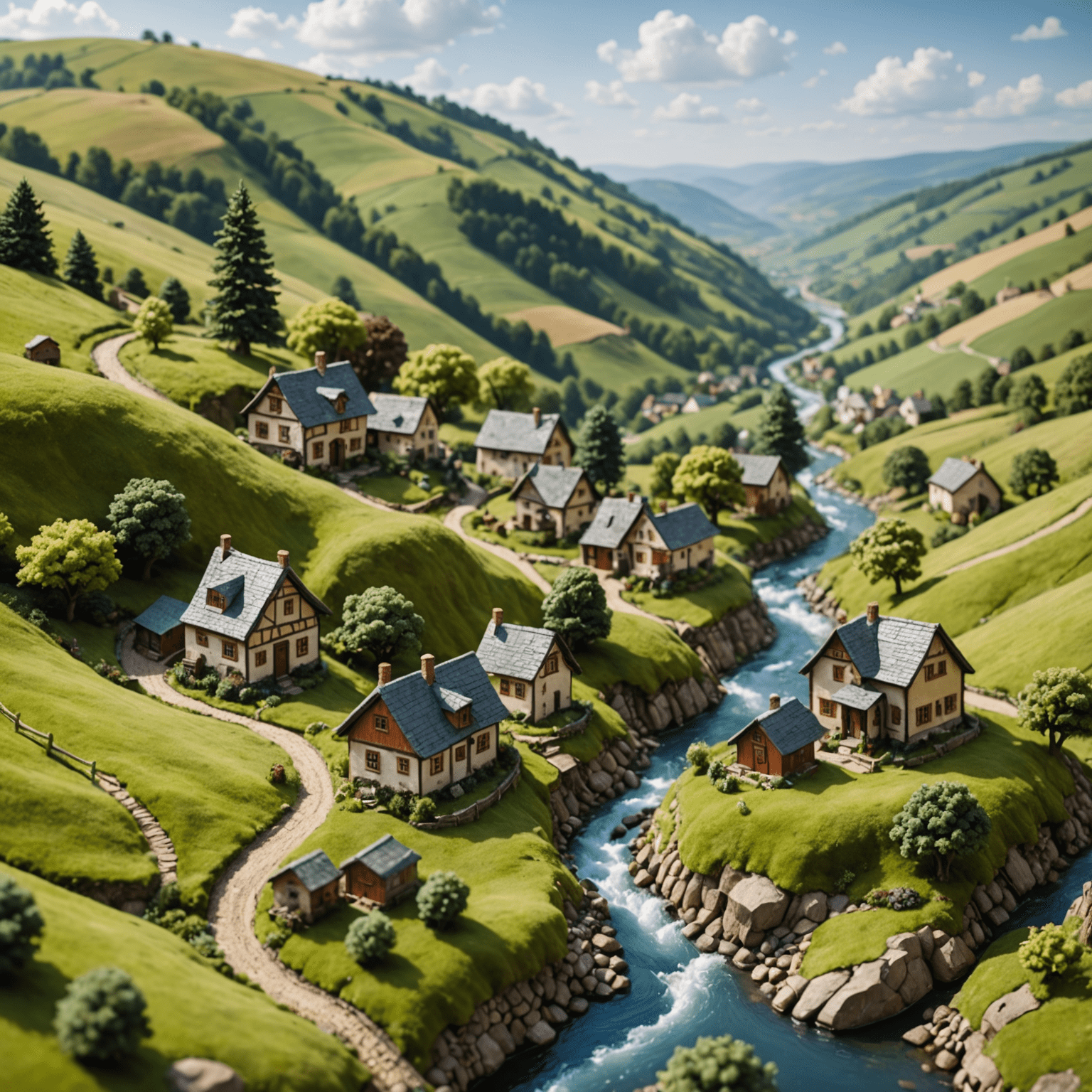
Discover the basics of crafting realistic landscapes and environments for your miniature worlds. This guide will introduce you to the fundamental techniques and materials used in miniature terrain building, opening up a world of creative opportunities for your board game stories and model displays.
Essential Materials
Before diving into terrain building, gather these key supplies:
- Foam board or extruded polystyrene
- Acrylic paints
- PVA glue
- Various flocking materials (static grass, sawdust, sand)
- Modeling tools (knife, sandpaper, brushes)
Basic Landform Techniques
Start with these simple methods to create the foundation of your miniature terrain:
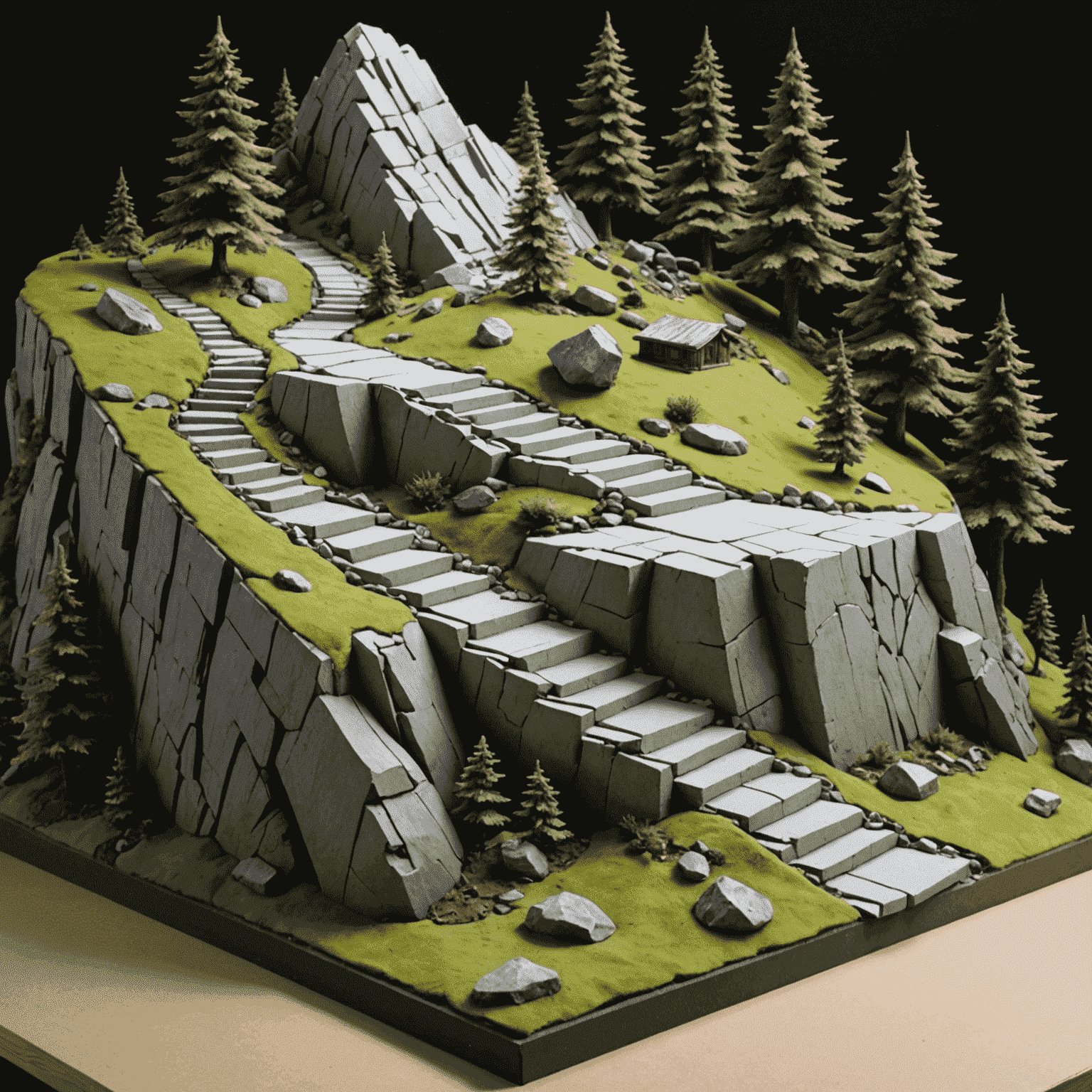
- Layering: Cut foam board into contour shapes and stack them to create hills and elevations.
- Carving: Use a hot wire cutter or knife to shape rock formations and cliffs.
- Texturing: Apply a mixture of PVA glue and sand to add realistic ground texture.
Adding Vegetation
Bring your terrain to life with these vegetation techniques:
- Use static grass applicators for realistic grass effects
- Create trees using wire armatures and clump foliage
- Simulate bushes and shrubs with foam clumps and flock
Water Features
Incorporate rivers, lakes, and ponds into your miniature landscapes:
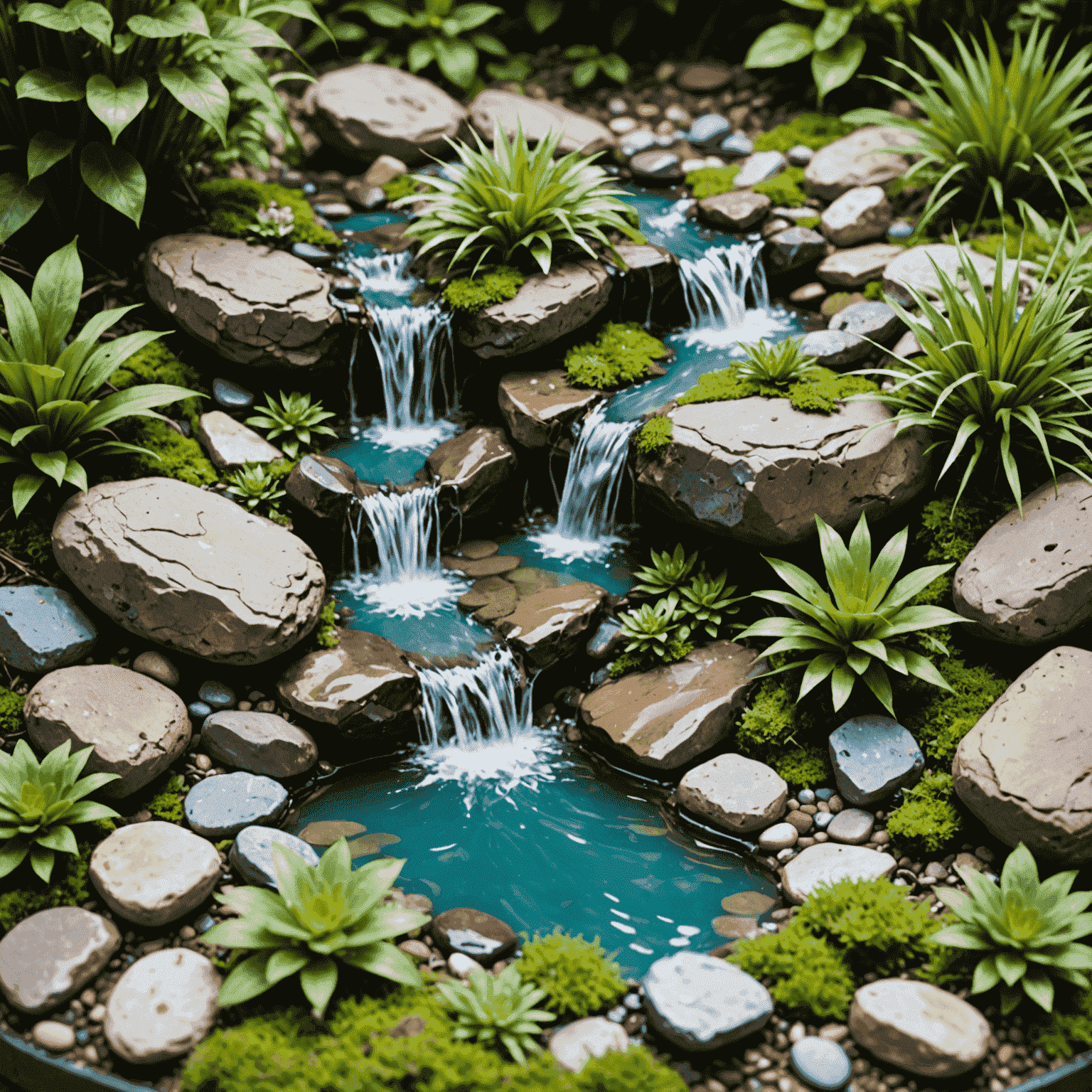
- Carve water channels into your base
- Paint the riverbed in varying shades of blue and brown
- Pour clear epoxy resin to create a realistic water effect
Finishing Touches
Enhance the realism of your terrain with these final steps:
- Dry brush highlights on rocks and elevated areas
- Add small details like fallen leaves, twigs, or pebbles
- Create paths or roads using fine sand or textured paint
By mastering these basic techniques, you'll be well on your way to creating stunning miniature terrains for your board game stories and model displays. Remember, practice and experimentation are key to developing your skills in this creative hobby. Happy terrain building!